

Tech etruesports is the tech behind esports. It includes hardware, software, internet speed, and streaming tools. These parts help games run smoothly. This article explains how that technology works and why it matters.
Every game tournament needs a strong setup behind it. When pro players compete, they need more than skill. They are using a network of machines that must function perfectly without any mistakes. Every part of the setup matters, from the network to the servers.
This setup helps games run smoothly and keeps player actions fast. It makes sure that actions happen immediately when a player clicks a button. It also creates a high-quality experience for people watching at home. By looking closely at this system, we can understand what makes modern gaming competitions successful.
What Tech Etruesports Means
Tech etruesports means the tech behind esports. It is the tech side of gaming. It helps matches run fast and fair.
It is not about player fame or match scores. It is about the systems behind the game. Casual players often play games on simple home setups with standard internet. In professional tournaments, the rules require advanced equipment to keep everything reliable. This setup helps games run smoothly. It also sends match data to viewers.
We are talking about the tools behind the game. This includes dedicated tournament servers, anti-cheat programs, and specialized video equipment. It is the core framework that allows video games to work as a secure global sport.
Tech Etruesports vs. Esports
Esports is the match itself. Tech etruesports is the tech behind it. One is the game. The other is the support.
Esports focuses on players, teams, and winners. It shows player skill, practice, and game plans. When you watch a team win a major trophy, you are watching the esports side of the event. You see the crowd cheering and the strategic choices made during the game.
Tech etruesports focuses on the tools, systems, and servers behind the match. It ensures that the player’s controller actions register instantly on the screen. It also controls the live stream quality so fans do not experience any video freezing. Without this support system, the competition could not take place safely or fairly.
- Esports: Focuses on human skill, team strategy, and match winners.
- Tech Etruesports: Focuses on computer parts, software tools, and data servers.
How Hardware Shapes Competitive Play
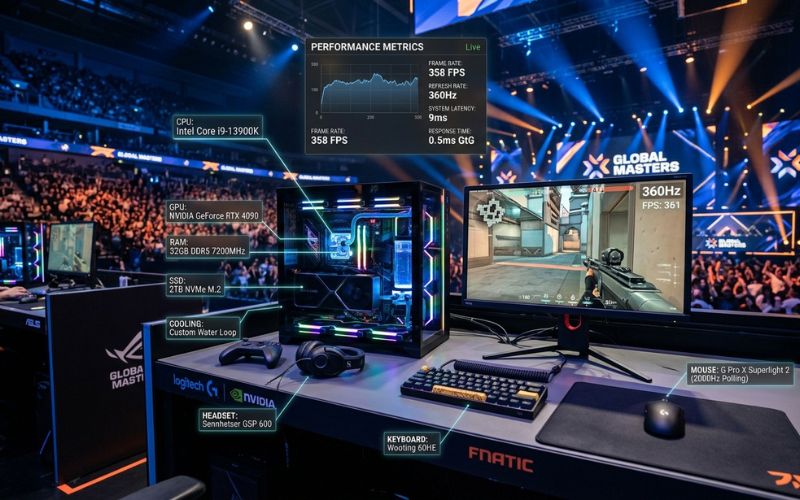
Good hardware helps games run well. Fast processors and graphics cards keep the game steady. Good gear helps players move faster in a match. When games run at high speeds, even a tiny delay can hurt a team.
PCs, Consoles, and Peripherals
Fast processors and good graphics cards help games run smoothly. Fast processors help prevent sudden frame drops when many actions happen on screen at the exact same time. Consoles help because every player uses the same kind of machine.
Good mice and keyboards help players act fast. Less delay is better. Low input delay and high sensor precision allow physical movements to register in the game almost instantly. Comfortable gear helps players keep playing. Fast mechanical switches ensure that clicks register without delay. Good headsets help teammates talk clearly.
Monitors and Refresh Rates
Fast monitors help players see better. They also help players react quicker. Fast screens show moving things more clearly. Professional tournaments usually use high-refresh-rate displays.
This helps players react faster. In fast-paced shooting or racing games, seeing an opponent a fraction of a second earlier gives a player a big advantage. Tournaments use these screens so all players have a fair setup.
The Software Stack Behind Modern Esports
After hardware, software is next. Software controls the game. Updates can change weapons, characters, and rules. These changes can change how teams play.
Game Updates and Balance
Game engines control how a game works. Developers release updates to change the game. These changes force teams to change their game plan.
Updates also fix bugs and help keep matches fair. Game teams check the game before big events. This work helps keep the gameplay fair.
Streaming and Broadcast Tools
Streaming tools help fans watch live games. These tools show gameplay and player faces in one place. They make the show easy to follow. This software puts gameplay, webcams, and match data into one stream.
Broadcast tools can show replays from different angles. Production teams use tools to follow the most exciting parts of the game. This keeps fans watching.
Anti-Cheat Protection
Anti-cheat tools stop cheats. They help keep games fair. They also build trust. These tools look for cheating software.
Trust matters a lot in esports. If people think someone is cheating, they stop trusting the match. Strong anti-cheat tools help people trust the result.
Connectivity, Latency, and Performance
Once the match starts, the network matters a lot. Fast internet is very important. Even a small delay can change the result. Good servers help the game run well.
Why Latency Matters
Latency means delay. It is the time between a player’s move and the game reacting. High delay makes the game slower for players.
In pro games, even a tiny delay can matter. If one player has a lower delay than another, their inputs reach the game first. Organizers use the same setup for every player.
Servers and Data Centers
Nearby servers help reduce lag. Nearby servers can make the game feel faster. Shorter paths can help the game run better.
For online tournaments, server location matters. Organizers must choose central server locations so that no single team suffers from a poor connection due to distance. This careful planning keeps online matches as fair as in-person arena events.
Fiber and 5G
Fiber internet gives a strong and stable connection. This stability prevents sudden drops in quality, keeping both the gameplay and the broadcast feed running continuously. It serves as the primary backbone for modern gaming arenas.
Mobile gaming also works better with 5G. As mobile esports grow in popularity, these advanced wireless networks allow large tournaments to happen without physical internet cables attached to the phones.
How Fans Experience the Action
After the game, the viewer experience matters too. Technology makes games fun to watch. It helps fans feel closer to the action.
Live Data and Match Graphics
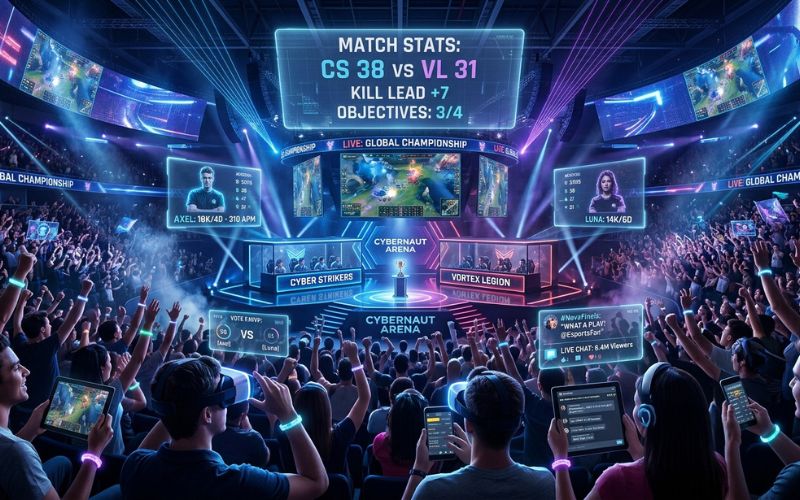
Fans do not just watch. They also see live stats and replays. These details help them understand the game. Screens can show health bars and player stats.
This helps fans follow the game more easily. Visual graphics can highlight specific map areas or track player positioning in real time. This extra layer of data makes a complex video game easy to follow for new viewers and longtime fans.
VR, AR, and Social Interaction
VR and AR may make watching more fun later. VR headsets may let fans watch from a player view. AR can show game maps on the stage.
Fans can also chat online and follow players. Dedicated online spaces allow fans to chat about match results and follow their favorite players. These channels help fans stay connected.
Where Tech Etruesports Is Heading Next
Gaming tech keeps changing. Future tools may help players, lower costs, and make watching more fun. These changes may affect both players and fans.
AI and Cloud Gaming
AI may help teams study games and train better. AI can find weak spots in a game. These tools can help players improve faster.
Cloud gaming may let more people play without expensive computers. Cloud systems run games on remote servers instead of powerful local computers. This lowers the cost for new players.
Interactive Viewing
Future tools may make broadcasts more interactive. New VR and AR tools may change how fans watch. These tools may let fans control parts of the view.
Fans may even follow one player the whole time. Instead of watching a single director’s cut, fans can follow their favorite player the entire time. This gives fans more control over how they watch.
The Final Verdict on Tech Etruesports
Tech etruesports is the tech behind competitive gaming. It helps games run fast and fair. Good hardware, software, and internet all matter.
Pro Tip: Fast internet matters more than fancy graphics in fast games. Low latency often matters more than visual quality during fast matches.
Which part of esports technology matters most to you? Let us know your thoughts, or read our next guide on fixing home network lag.
FAQs
What is the difference between traditional sports and esports?
Traditional sports happen in the real world. Esports happen on computers. Both need skill, practice, and teamwork.
How can someone get involved in Tech Etruesports?
Start with one game and practice often. You can also join gaming groups online.
What are the career opportunities in esports technology?
Jobs include coaching, broadcasting, data work, and tech support. Most major tournaments require IT support to set up and manage equipment.
Is tech etruesports growing in popularity?
Yes. More people watch esports online every year. TV and online coverage continue to bring new viewers to major gaming events.
You May Also Like:
Dowsstrike2045 Python: What It Is, How It Works, and How to Verify It Safely
Fix Bug Ralbel28.2.5: Causes, Symptoms, and Step-by-Step Fixes
Disclaimer:
This article is for informational and educational purposes only. Some images may be AI-generated for illustrative purposes. All copyrights and trademarks belong to their respective owners.

Eleanor Karen is an administrator at PVStory.co.uk who writes about digital tools, social media trends, and online resources. She shares helpful insights on Instagram Story Viewer tools and other web-based solutions, helping readers stay informed and make the most of their online experience.