
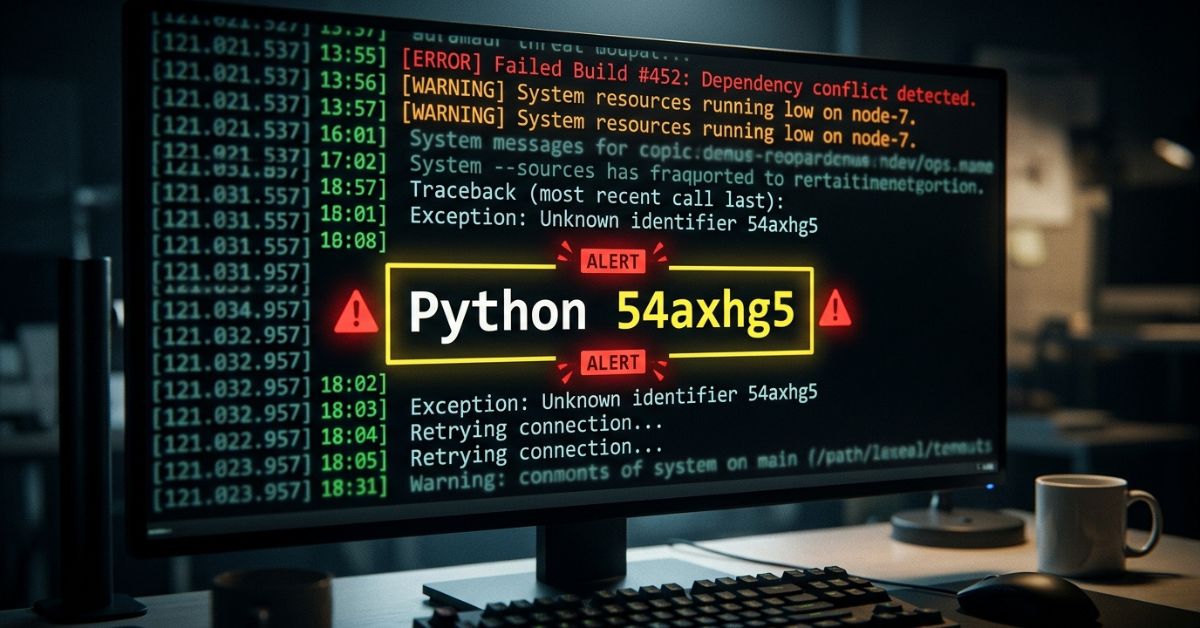
If you see python 54axhg5 in logs or files, it usually points to a temporary system label or a setup problem. It is not an official Python version, module, or library. Many people search for this term because it suddenly pops up as an error message in their software code. This guide explains what it means, where it appears, why it happens, and how to fix it so your code runs correctly.
When computer systems run tasks, they often create short names to track work. These names use letters and numbers so that two tasks do not share the same name by mistake. If a program stops running suddenly, one of these labels can get stuck inside your files. Learning about this string helps you clean your computer and fix your programming workspace without losing your important files or notes.
What Is Python 54axhg5?
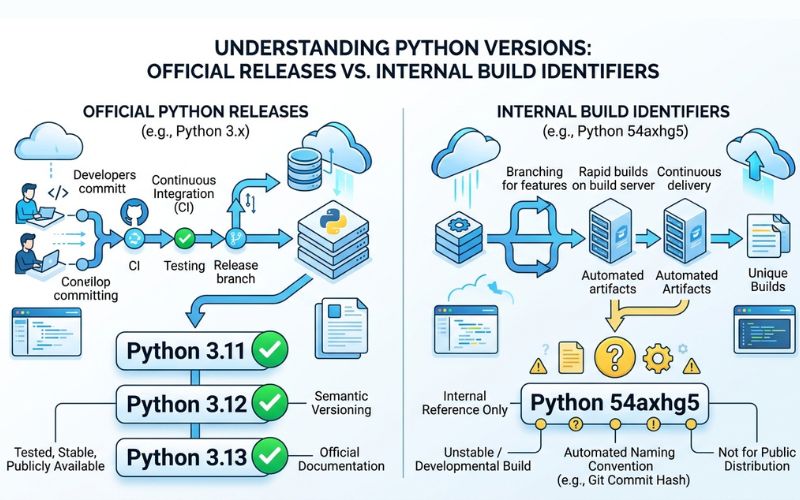
Python 54axhg5 is a non-standard name, not a real Python feature. It is not part of Python’s official version system. It often appears when tools need a short name for a test file, task, or build step. This term usually means a temporary system label. Tools use names like this to keep files and tasks separate. It helps avoid mix-ups when many tasks run at the same time.
Not A Real Python Release
Official Python releases usually use numbers like Python 3.11.2 or Python 3.12.0. Random tags like 54axhg5 do not match that pattern because they mix letters and numbers together without standard periods. Python uses strict version names so people know what version they have on their computer. A real release number tells you exactly when the software was made and what tools are inside it.
When an alphanumeric tag appears instead of a normal number, it means a local system script generated the name. These scripts do not care about standard version rules because they only need a temporary name for a fast task. If you see this code inside an installation window, do not expect it to act like a normal update. It is simply an internal label that was never meant to be seen by the public user.
- Logs and error reports: Systems print out short alpha-numeric strings when a session encounters a sudden error. These logs help you see the exact line where the program stopped working.
- Build pipelines and tools: Cloud test tools automatically assign random names to group data during code deployments. This keeps separate test runs from mixing their files together.
- Temporary scripts: Operating system scripts save data under unique codes while they process downloads. These files are usually deleted as soon as the main program finishes running.
- Internal files: Cache directories generate text lines to tag local files and speed up everyday tasks. If the cache gets full, these old tags can sometimes show up in error prompts.
Where It Appears
You are more likely to see this term in logs, build output, temporary files, or internal notes than in public Python libraries. These files are usually in folders most users do not open. Knowing these areas helps you find the problem file faster during your regular cleanup.
Many developers spot this string while they are trying to move their code from a personal laptop to a cloud server. Cloud servers often create temporary labels during setup and testing. If a file fails during upload or setup, the last label may stay in the terminal.
- Build output: Automated build systems may create random tags for tests and deployments. These tools use the tags to label the current version of the project while it moves through the cloud pipeline.
- Development files: Local tools may use short codes for cache folders, scripts, or temporary files. These folders sit inside your main directory and hold small pieces of data to make your code run faster.
Common Causes
This term often appears because of a version mismatch, package conflicts, or a broken environment. It can also show up after an update changes file paths or leaves old data in the cache.
Version Mismatch
If one system uses a different Python version than another, the project can fail. Package problems often start after an update changes how Python reads files.
Dependency Conflicts
Package problems happen when two tools change the same install folder. Mixed versions can break the project.
Environment Corruption
A broken virtual environment or bad cache file can cause random errors. A partial install can leave broken files behind.
Old Cache Data
Saved data files from old runs can cause name mix-ups. Clearing the cache removes these bad files.
Symptoms to Notice
When this problem appears, the program may behave in unstable ways. Knowing the signs helps you catch the problem early before it damages your other files. The problem may start small and get worse over time.
Sometimes the signs appear slowly before the system stops working well. Your computer might lag when you type commands, and files may open more slowly. These small changes can mean a task is stuck.
- Runtime instability: The script may work once and fail the next time. It may freeze or crash without a clear reason, forcing you to close the app and start again.
- Log and memory clues: The terminal may show repeated error messages. You may also see slow loading or memory spikes if a background loop keeps running without stopping.
How To Diagnose It
Start by testing the problem in a clean virtual environment. Then check logs, packages, and config files one by one to isolate the true cause of the error. A step-by-step check helps you find the real cause.
The first error line often shows the real cause. New messages usually show the crash, not the real cause.
Recreate The Environment
Create a clean virtual environment and test there first. This helps separate project issues from system issues by blocking out all outside folders and global files. If the code works here, the problem is likely in the main setup of your computer.
Bash
python -m venv test_env
source test_env/bin/activate
- Check installed package versions: Run a command to list every tool inside your current folder to ensure they match your project guide.
- Look for missing or mismatched packages: Compare your local list against the official requirements to spot any outdated tools.
- Review the first error in the logs: Scroll to the top of your terminal screen to find the exact moment the program failed.
- Check environment variables and config files: Open your setup files and check for old paths.
How To Fix It
You can often fix the issue by reinstalling packages and using a clean setup. Cleaning old folders helps remove broken files. Always save a backup before deleting folders. If one fix does not work, try the next one. After each change, test the project again to see if the error is gone.
Bash
pip cache purge
pip install -r requirements.txt --force-reinstall
- Reinstall packages from a clean requirements file: This removes broken tools and installs fresh copies.
- Lock package versions in your setup files: Use exact numbers like 2.4.1 so that packages do not change without your permission.
- Update to a stable Python release: Install the latest stable Python version to fix old bugs.
- Test the project again after each change: Run a quick test script after every step so you know exactly which action fixed the problem.
Best Practices
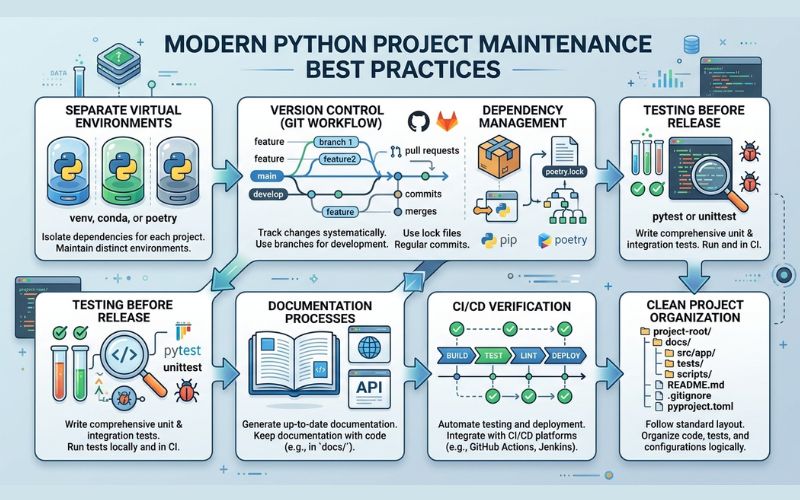
Good habits help keep your project stable and stop future errors. A few extra minutes now can save a lot of trouble later. When everyone uses the same tools and versions, setup problems are less likely.
- Use a separate environment for each project: Do not mix project folders, because tools can clash.
- Test the project before release: Always run your software on a separate computer to ensure it works for other people too.
- Write down the setup steps: Keep a simple file with the commands needed to install and run your software.
- Keep a list of package versions: Update your requirements list every time you add a new tool.
Key Takeaways
- Python 54axhg5 is not an official Python feature.
- It usually means a temporary system label or setup problem.
- The safest next step is to check the source, use a clean virtual environment, and review your installed packages.
- If you found it in logs or build files, sharing the exact place can help others solve the same problem.
FAQs
Is Python 54axhg5 a real version?
No, it is not an official Python release. Real Python versions use normal version numbers like 3.12 or 3.12.1. The official team never uses mixed alphanumeric tags for public updates.
Is it safe?
The string itself is neutral, but any file or script linked to it should be checked carefully. If you got a file with this name from an unknown site, do not run it.
Should I install it?
No official package exists for it, so do not install it. Stick to verified downloads from the official Python website.
Where does it come from?
It usually comes from logs, build tools, temporary files, or internal labels. It is a temporary name used by a system or tool.
You May Also Like:
Tech Etruesports: How Technology Powers Competitive Gaming
Dowsstrike2045 Python: What It Is, How It Works, and How to Verify It Safely
Disclaimer:
This article is for informational and educational purposes only. It helps you understand software code errors. Some images may be AI-generated for illustrative purposes to make concepts easier to see. All copyrights, brand names, and trademarks belong entirely to their respective owners. Do not use this guide as a replacement for official software engineering support.

Eleanor Karen is an administrator at PVStory.co.uk who writes about digital tools, social media trends, and online resources. She shares helpful insights on Instagram Story Viewer tools and other web-based solutions, helping readers stay informed and make the most of their online experience.