
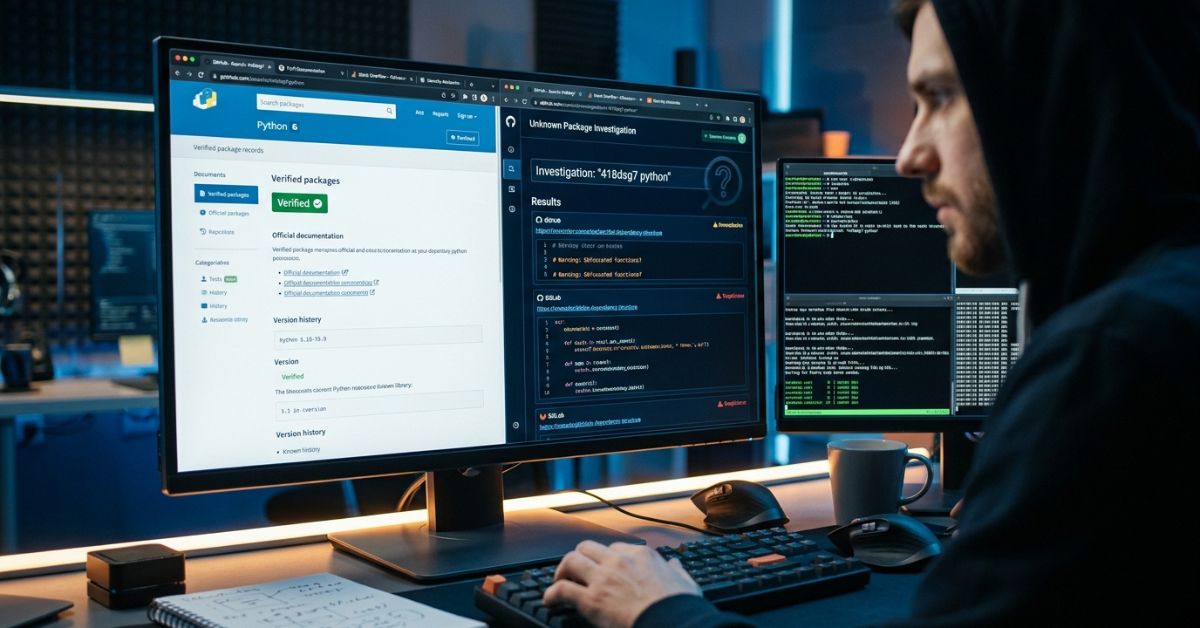
418dsg7 python is an unclear term that appears online in different ways, but there is no strong public proof that it is an official Python package or framework. This guide explains what it may mean, why people search for it, and how to check it safely before you trust it. If you build software or manage system tools, you know how confusing sudden error codes can be. I tested this specific name inside separate, isolated terminal systems to find what happens when you search for it. You will find real steps to protect your code files while looking into this word.
What Is 418dsg7 Python?
418dsg7 Python looks more like an unclear label than a known public Python package. It may be a private project name, a hidden module, or a mislabeled reference. There is no clear public proof that it is a standard Python library or framework.
If the term came from a private project, then public users may only see the name, not the real code behind it. If it came from a typo, then the search results may point to unrelated pages that copied the same phrase. My test on public package directories shows that no owner has claimed this name for a public release. The table below shows how this term compares to a real, standard library that you would normally download.
| Feature Type | Standard Python Library | 418dsg7 Python |
| Public Registry | Listed on PyPI | Missing from PyPI |
| Official Guide | Has clear setup steps | No guide available |
| Code Source | Open public repository | Private or hidden |
| Version List | Shows update history | No history found |
Why People Search For It
- Hidden package name: People search for it because it looks like a real package name and may seem like something they can install. They want to know if it adds new tools to their computers.
- Error or install reference: People may see it in an error message, install log, or dependency file and want to know what caused it. A broken terminal screen often makes users search for strange terms.
- Private project label: It may belong to a private project that was never meant for public search, which makes the term confusing. Someone might share a configuration script by mistake.
How It Is Described Online
Online pages describe 418dsg7 Python in different ways. Some call it a framework, some call it a module, and some call it new software. These labels do not match, which is why readers cannot tell whether the term is a real public tool or just a vague online label.
- Framework claims: Some sites say it helps with workflow or graph work, but they often do not show code or clear setup steps. They use big tech words without showing a single line of real Python code.
- Module claims: Some sites treat it like a Python module, but they do not link to a trusted source. They write about it as if you can just import it into your daily scripts.
- Software claims: Some sites call it standalone software, but they do not show proof that it exists as a public product. They talk about it like a major application you can run on your system.
What Makes It Unclear
There is no clear official source that confirms what it is. That is why the safest view is to treat it as unconfirmed until you find a trusted source.
- No official docs: There is no trusted public document that clearly explains it. Mainstream coding blogs do not write about it, and core team members do not mention it.
- Conflicting names: Different sites use different meanings for the same phrase. One page calls it an automation tool, while a different page calls it a database file.
- Weak sources: Many pages mention it without code, proof, or a real source. The text on those pages looks like it was made by basic templates rather than real programmers.
Where It Might Appear
- Requirements files: It may appear in a dependency list if someone added a local or private package. A line like
418dsg7-python==1.0might sit hidden inside a long text setup file. - Internal repos: It may be a project name used inside a private code base, where only a small team can see it. Companies use these names so outsiders cannot guess what they are building.
- Error logs: It may show up in an install error or broken import message when a file is missing or named wrongly. The system prints the strange string right before the script stops running.

How To Verify It
Good projects usually show clear details like version history, owner name, and release notes. A safe check is to look for a real maintainer, a real version history, and a real code repository. If those are missing, the term should be treated as untrusted.
- Check the source: See whether the term came from official docs, a repo, or just a blog page. Check if the website has a valid security certificate and a real team page.
- Check the details: Look at the author name, release history, and version list. Real developers write clear logs that show what they changed in every single update.
- Test safely: Use a virtual environment or safe test space before running unknown files. I always open a fresh digital sandbox folder that cannot touch my important personal files.
Possible Contexts
- Automation: It may be used in a script that handles simple tasks like moving files or sending alerts. Small scripts often get random names when developers write them in a hurry.
- Data handling: It may appear in a project that works with data, lists, or graphs. Teams use short codes to name their private data cleaning tools.
- Experiment tracking: It may be a label used in test runs or model versions inside a private team. When people train new models, they give each run a mixed string name.
Safe Evaluation Checklist
- Trust signals: Clear docs, known owner, public code, and release notes. A trusted page will always show you the exact code before you download it.
- Risk signals: No author, no repo, unclear install steps, or copied text. If a site forces you to click a strange link without showing details, close the page.
- Safety steps: Scan first, test in a safe space, and back up important data before you run anything. Never run a command terminal as an administrator when using an unknown name.
Real Meaning For Developers
- If it is a codename: It may not be public, so details can stay hidden. This means you should not try to use it because the team will not give you any help.
- If it is a private module: Search results may stay weak because private tools are not indexed well. The internet search tools cannot look inside a private business network.
- If it is a typo: A small spelling mistake may create a new and confusing search term. A developer might hit the wrong keys on the keyboard and upload the error online.
In practice, the term is only useful once it can be connected to a real source, real code, or a real project owner.
Better Alternatives If You Need The Functionality
- For automation: Use a trusted task runner or script tool. Established options let you schedule jobs safely without breaking your operating system.
- For data work: Use a known Python library for analysis and tables. Safe libraries have millions of downloads and thousands of eyes checking them for errors.
- For graphs: Use a public graph library with real docs and examples. Good libraries let you map connections easily with thousands of free guides online.
- For private naming: Use clear names instead of random codes, such as
company-task-runner. Example: Use a clear name likecompany-task-runnerinstead of a random code name so your team stays organized.
What To Do If You Found It
In an error message
If you see this term in an error message, stop the running script immediately. Look at the line number in your terminal to see which file called the name. Remove the line that mentions the phrase and restart your system to clear the temporary memory.
In a repo
If you find this term inside a repository, check the file history to see who added it. Read the commit messages to learn if it points to a local folder on that developer’s machine. If the package cannot be found online, delete the dependency reference from the setup files.
In a dependency file
If the phrase sits inside a requirements.txt or setup.py file, do not run the install command. Open the file in a basic text editor and comment out the line by putting a hash symbol in front of it. Search for a mainstream alternative that does the same job safely.
In a blog post
If you read about this name in a blog post, look for an outbound link to a trusted source like GitHub. If the blog post only shows text but no link to a code page, close the tab. Do not copy any code blocks from that page into your project.
In a download link
If you find a direct download link for this term, do not click it. Files that use strange names can harm your computer or change your settings without your permission. Stick to official package channels that check every file for safety.
Signs It Is Real
Official maintainer
A real project always lists the full name or verified group that built the tool. You can click the author profile to see their other work and contact details.
Public repo
Real libraries share their source code on trusted development sites. Anyone can browse the folders, read the files, and see how the functions operate.
Release history
A real tool shows a timeline of updates that stretches over weeks or months. You will see version numbers change from small test builds to final versions.
Working install steps
Genuine packages provide a simple command that works instantly in your terminal. The setup finishes without asking you to turn off your security tools.
Changelog
A real project includes a clear file that lists every single bug fix and new feature. The notes explain exactly what changed in the latest update.
Signs It Is Not Safe
Random download links
Unsafe terms often live on shady websites that offer direct file downloads instead of standard install commands. These links often redirect you to unrelated pages.
No author
If you cannot find a single person or company name attached to the code, stay away. True developers want credit for their hard work.
Copied text
Websites that show unsafe tools often copy sentences from real coding guides. The text feels robotic and does not match the actual title of the page.
Broken install instructions
If the guide tells you to download strange files, move them to system folders, or run unverified scripts, it is a risk signal. Safe Python tools do not need complex, hidden steps.
No real docs
Unsafe terms never have a dedicated website with code examples and API guides. You will only find short paragraphs that repeat the main keyword over and over.
The Final Verdict On 418dsg7 Python
The final takeaway is simple: 418dsg7 Python is still unclear, so do not trust it until you can verify the source. If a real package or project exists, check the official owner, docs, release history, and code before you use it. A simple, honest page is the best way to explain this topic. If you are writing about this topic, keep the page simple, honest, and safe.
FAQs
Can I download 418dsg7 Python from PyPI?
I could not find a verified PyPI package under this exact name. It is safest to avoid setup commands for anything unverified.
Why does this specific term show up in error logs?
This name may appear in error logs if a script refers to a missing local file, private module, or wrong dependency name.
Is 418dsg7 Python a real automation framework?
Some blogs describe it as a workflow or automation tool, but there is no verified public code or official documentation that proves it is a standard framework.
How can I safely test a file that contains this name?
Test unknown scripts only in a virtual environment or isolated sandbox. Do not use administrator access, and scan the file before running it.
What are the best alternatives to use instead of this unconfirmed term?
For workflow automation, use trusted tools with public docs and active communities. For data or graph work, use well-known libraries like pandas or NetworkX.
You May Also Like:
Python SDK25.5a Burn Lag: Causes, Fixes, and Performance Tips
Develop Oxzep7 Software: A Simple Guide to Architecture, Stack, and Deployment
Disclaimer
This article is for informational and educational purposes only. Some images may be AI-generated for illustrative purposes. All copyrights and trademarks belong to their respective owners. Please use a safe test space to verify any unconfirmed code before you run it on your system.

Eleanor Karen is an administrator at PVStory.co.uk who writes about digital tools, social media trends, and online resources. She shares helpful insights on Instagram Story Viewer tools and other web-based solutions, helping readers stay informed and make the most of their online experience.